Buy brusselkids.be ?
We are moving the project
brusselkids.be .
Are you interested in purchasing the domain
brusselkids.be ?
domain@kv-gmbh.de · 0541-91531010
Buy brusselkids.be ?
Why is only South America called Latin America?
South America is called Latin America because the majority of the countries in the region speak languages derived from Latin, such as Spanish, Portuguese, and French. These languages were brought to the region by European colonizers, primarily from Spain and Portugal. The term "Latin America" is used to distinguish this region from Anglo-America, which includes countries in North America and the Caribbean that primarily speak English. Additionally, the term "Latin America" also reflects the cultural and historical ties to Latin Europe. **
Why is South America also called Latin America?
South America is also called Latin America because the majority of the countries in the region speak languages derived from Latin, such as Spanish, Portuguese, and French. These languages have their roots in Latin, the language of the ancient Romans. Additionally, the term "Latin America" is used to emphasize the cultural and historical ties that South American countries share with the Latin European countries, particularly Spain and Portugal, due to colonization and the spread of their languages and cultures in the region. This term is also used to distinguish the region from Anglo America, which includes the English-speaking countries of North America. **


Similar search terms for South America
Top-Angebote
Products related to South America:
-
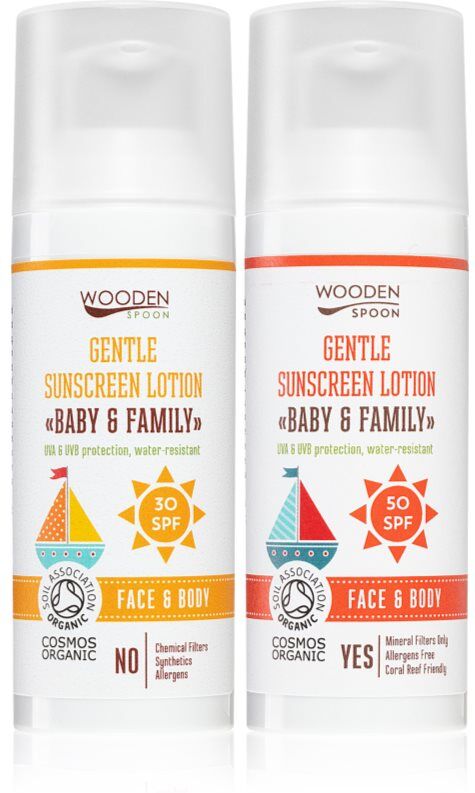
WoodenSpoon Baby & Family ensembleWoodenSpoon Baby & Family, 1 pcs, Produits solaires pour enfants pour femme, Découvrez un coffret pratique de produits qui embelliront votre quotidien. Le coffret WoodenSpoon Baby & Family facilite votre choix, en proposant une sélection de vos articles préférés, désormais réunis dans un seul et même emballage. L'ensemble contient: WoodenSpoon Baby & Family lait protecteur solaire pour toute la famille SPF 50 50.00 ml WoodenSpoon Baby & Family lait protecteur solaire SPF 30 50.00 ml Le produit : coffret à un prix avantageux protège contre les rayons UV nourrit et prend soin de la peau hydrate la peau de l’enfant s’absorbe facilement laisse une peau douce et souple Composition du produit : beurre de karité – nourrit, aide à retenir l'humidité, apporte douceur et souplesse, offre une protection contre le dessèchement et les agressions extérieures vitamine E : nourrit la peau, lui procure une protection antioxydante contre le vieillissement prématuré et les dommages causés par les radicaux libres, contribue à lisser les rides et à rendre la peau plus ferme et plus souple cire d’abeille : crée une couche protectrice imperméable sur la peau, la rend ainsi durablement douce, apaisée, nourrie et protégée des agressions extérieures, l’humidifie, l’empêche de se déshydrater et de s’abîmer, accélère sa régénération huile de coco – contient une grande quantité d'antioxydants, aide à prévenir les rides et le vieillissement prématuré de la peau, nourrit intensément, assouplit et favorise l'hydratation, la régénération et l'apaisement de la peau beurre de cacao – est riche en acides gras, nourrit intensément, hydrate et favorise l'élasticité de la peau, crée une barrière protectrice empêchant la perte d'humidité, présente des effets lissants Mode d’emploi : Suivez les instructions indiquées sur l’emballage.33,40 €*Shipping: 3,45 €Secure redirect to the provider
-
Fun Factory Fun Cup A Coupe menstruelle Black Currant 20 mlFun Factory Fun Cup A, 20 ml, Coupes menstruelles Une solution confortable et écologique pour vous sentir à l'aise durant vos journées. Remplacez les produits sanitaires jetables par une coupe menstruelle pratique et utilisez-la Fun Factory Fun Cup A autant de fois que vous le souhaitez. Le produit : une alternative écologique aux produits d'hygiène féminine facile à placer facile à nettoyer convient pour un usage répété s'adapte à l'anatomie du corps adapté aux rapports sexuels pratiqués durant les menstruations coloré silicone entretien facile sachet en textile fourni Mode d’emploi : Suivre les instructions fournies dans le mode d’emploi. Rincez toujours abondamment à l'eau claire.2,70 €*Shipping: 3,45 €Secure redirect to the provider


-
When was South America discovered?
South America was discovered by Europeans in 1498 when Christopher Columbus landed on the continent during his third voyage to the New World. However, it is important to note that South America was already inhabited by indigenous peoples for thousands of years before the arrival of Europeans. Columbus's landing marked the beginning of European colonization and exploration of the continent. **
-
Which marsupials live in South America?
Some of the marsupials that live in South America include the opossums, the yapok, the monito del monte, and the shrew opossums. **
-
How dangerous is South America really?
South America is a diverse continent with a wide range of safety levels depending on the specific country and region. While some areas may have higher crime rates and safety concerns, others are relatively safe for travelers. It's important to research and stay informed about the safety conditions of the specific areas you plan to visit, and to take necessary precautions such as avoiding high-crime areas, staying aware of your surroundings, and following local safety guidelines. Overall, with proper planning and awareness, many parts of South America can be safely explored. **
-
Why was South America not settled instead of North America?
South America was not settled instead of North America primarily because of the geographical barriers that made it more difficult for European explorers and settlers to access and navigate the continent. The dense rainforests, rugged terrain, and lack of navigable rivers made it more challenging for Europeans to establish permanent settlements in South America. Additionally, the presence of powerful indigenous empires such as the Inca and the Aztec also posed significant obstacles to European colonization efforts. As a result, North America, with its more temperate climate, navigable waterways, and relatively less developed indigenous civilizations, became the focus of European exploration and settlement. **


What cultural differences exist between Central America and South America?
Central America and South America have distinct cultural differences despite sharing some similarities. One key difference is the language spoken; Central America is predominantly Spanish-speaking, while South America has a more diverse range of languages including Spanish, Portuguese, and indigenous languages. Additionally, there are differences in traditional foods, music, and dance styles between the two regions. Central America has a strong influence from indigenous cultures, while South America has a mix of indigenous, African, and European influences. These differences contribute to the unique cultural identities of each region. **
How many street children are there per country in South America?
It is difficult to provide an exact number of street children per country in South America as the situation is constantly changing and data may not be readily available. However, it is estimated that there are tens of thousands of street children in countries such as Brazil, Colombia, Peru, and Venezuela. These children face numerous challenges such as poverty, violence, and lack of access to education and healthcare. Efforts are being made by governments and organizations to address the issue and provide support to these vulnerable children. **
Top-Angebote
Products related to South America:
-
SKECHERS Baskets Play Scene - Fun SquadBaskets faciles à enfiler grâce aux lacets extensibles et à la sangle réglable sur le cou-de-pied.Détails produit • Usage sportswear • Talon plat • Fermeture : A lacets et à scratch • Tige en mesh avec superpositions pailletées • Semelle intermédiaire bien rembourrée avec des motifs ludiques et thématiques • Semelle extérieure souple et adhérente • Fermeture adaptative Skechers facile à enfiler et à retirer pour un ajustement personnalisé • Semelle intérieure coussinée et confortable • Lavable en machine • Logo Skechers® détaillé Composition et Entretien • Dessus/Tige : 55% polyuréthane, 45% polyester • Doublure : 100% polyester • Semelle intérieure : 100% polyester • Semelle extérieure : 100% eva27,96 €*Shipping: 3,99 €Secure redirect to the provider
-
WoodenSpoon Baby & Family ensembleWoodenSpoon Baby & Family, 1 pcs, Produits solaires pour enfants pour femme, Découvrez un coffret pratique de produits qui embelliront votre quotidien. Le coffret WoodenSpoon Baby & Family facilite votre choix, en proposant une sélection de vos articles préférés, désormais réunis dans un seul et même emballage. L'ensemble contient: WoodenSpoon Baby & Family lait protecteur solaire pour toute la famille SPF 50 50.00 ml WoodenSpoon Baby & Family lait protecteur solaire SPF 30 50.00 ml Le produit : coffret à un prix avantageux protège contre les rayons UV nourrit et prend soin de la peau hydrate la peau de l’enfant s’absorbe facilement laisse une peau douce et souple Composition du produit : beurre de karité – nourrit, aide à retenir l'humidité, apporte douceur et souplesse, offre une protection contre le dessèchement et les agressions extérieures vitamine E : nourrit la peau, lui procure une protection antioxydante contre le vieillissement prématuré et les dommages causés par les radicaux libres, contribue à lisser les rides et à rendre la peau plus ferme et plus souple cire d’abeille : crée une couche protectrice imperméable sur la peau, la rend ainsi durablement douce, apaisée, nourrie et protégée des agressions extérieures, l’humidifie, l’empêche de se déshydrater et de s’abîmer, accélère sa régénération huile de coco – contient une grande quantité d'antioxydants, aide à prévenir les rides et le vieillissement prématuré de la peau, nourrit intensément, assouplit et favorise l'hydratation, la régénération et l'apaisement de la peau beurre de cacao – est riche en acides gras, nourrit intensément, hydrate et favorise l'élasticité de la peau, crée une barrière protectrice empêchant la perte d'humidité, présente des effets lissants Mode d’emploi : Suivez les instructions indiquées sur l’emballage.33,40 €*Shipping: 3,45 €Secure redirect to the provider
-
Fun Factory Fun Cup A Coupe menstruelle Black Currant 20 mlFun Factory Fun Cup A, 20 ml, Coupes menstruelles Une solution confortable et écologique pour vous sentir à l'aise durant vos journées. Remplacez les produits sanitaires jetables par une coupe menstruelle pratique et utilisez-la Fun Factory Fun Cup A autant de fois que vous le souhaitez. Le produit : une alternative écologique aux produits d'hygiène féminine facile à placer facile à nettoyer convient pour un usage répété s'adapte à l'anatomie du corps adapté aux rapports sexuels pratiqués durant les menstruations coloré silicone entretien facile sachet en textile fourni Mode d’emploi : Suivre les instructions fournies dans le mode d’emploi. Rincez toujours abondamment à l'eau claire.2,70 €*Shipping: 3,45 €Secure redirect to the provider
-
Why is only South America called Latin America?
South America is called Latin America because the majority of the countries in the region speak languages derived from Latin, such as Spanish, Portuguese, and French. These languages were brought to the region by European colonizers, primarily from Spain and Portugal. The term "Latin America" is used to distinguish this region from Anglo-America, which includes countries in North America and the Caribbean that primarily speak English. Additionally, the term "Latin America" also reflects the cultural and historical ties to Latin Europe. **
-
Why is South America also called Latin America?
South America is also called Latin America because the majority of the countries in the region speak languages derived from Latin, such as Spanish, Portuguese, and French. These languages have their roots in Latin, the language of the ancient Romans. Additionally, the term "Latin America" is used to emphasize the cultural and historical ties that South American countries share with the Latin European countries, particularly Spain and Portugal, due to colonization and the spread of their languages and cultures in the region. This term is also used to distinguish the region from Anglo America, which includes the English-speaking countries of North America. **
-
When was South America discovered?
South America was discovered by Europeans in 1498 when Christopher Columbus landed on the continent during his third voyage to the New World. However, it is important to note that South America was already inhabited by indigenous peoples for thousands of years before the arrival of Europeans. Columbus's landing marked the beginning of European colonization and exploration of the continent. **
-
Which marsupials live in South America?
Some of the marsupials that live in South America include the opossums, the yapok, the monito del monte, and the shrew opossums. **
Similar search terms for South America
-
How dangerous is South America really?
South America is a diverse continent with a wide range of safety levels depending on the specific country and region. While some areas may have higher crime rates and safety concerns, others are relatively safe for travelers. It's important to research and stay informed about the safety conditions of the specific areas you plan to visit, and to take necessary precautions such as avoiding high-crime areas, staying aware of your surroundings, and following local safety guidelines. Overall, with proper planning and awareness, many parts of South America can be safely explored. **
-
Why was South America not settled instead of North America?
South America was not settled instead of North America primarily because of the geographical barriers that made it more difficult for European explorers and settlers to access and navigate the continent. The dense rainforests, rugged terrain, and lack of navigable rivers made it more challenging for Europeans to establish permanent settlements in South America. Additionally, the presence of powerful indigenous empires such as the Inca and the Aztec also posed significant obstacles to European colonization efforts. As a result, North America, with its more temperate climate, navigable waterways, and relatively less developed indigenous civilizations, became the focus of European exploration and settlement. **
-
What cultural differences exist between Central America and South America?
Central America and South America have distinct cultural differences despite sharing some similarities. One key difference is the language spoken; Central America is predominantly Spanish-speaking, while South America has a more diverse range of languages including Spanish, Portuguese, and indigenous languages. Additionally, there are differences in traditional foods, music, and dance styles between the two regions. Central America has a strong influence from indigenous cultures, while South America has a mix of indigenous, African, and European influences. These differences contribute to the unique cultural identities of each region. **
-
How many street children are there per country in South America?
It is difficult to provide an exact number of street children per country in South America as the situation is constantly changing and data may not be readily available. However, it is estimated that there are tens of thousands of street children in countries such as Brazil, Colombia, Peru, and Venezuela. These children face numerous challenges such as poverty, violence, and lack of access to education and healthcare. Efforts are being made by governments and organizations to address the issue and provide support to these vulnerable children. **
* All prices are inclusive of VAT and, if applicable, plus shipping costs. The offer information is based on the details provided by the respective shop and is updated through automated processes. Real-time updates do not occur, so deviations can occur in individual cases. ** Note: Parts of this content were created by AI.